
Brampton Indoor Air Quality for Allergy Season: Filters, UV Air Purifiers, and When Duct Cleaning Makes Sense
Allergy season in Brampton can make your home feel stuffy even when the windows are closed. If you’re waking up congested, noticing lingering odours, or feeling like dust settles fast, indoor air quality usually comes down to three things: source control, ventilation, and filtration. This FAQ breaks down what tends to help, what often does not, and when it makes sense to look at UV air purification or duct cleaning. You’ll also see which checks are safe to do yourself, and which ones should be handled by a licensed HVAC professional.
Why Can Allergy Season Make My Home Feel Worse Indoors Than Outdoors?
In spring and late summer, pollen and fine dust can be tracked into the home on clothing, pets, and shoes and then circulate throughout the home. If your system is moving a lot of air, you may notice symptoms more readily if filtration is weak or if airflow paths pull dust from basements, attics, or wall cavities.
Common home triggers during allergy season include:
- Pollen and dust are entering from open doors, windows, and garages
- Pet dander and fabrics that hold allergens (carpets, bedding, upholstered furniture)
- Higher humidity can make the air feel heavier and can support musty smells
- Airflow issues that reduce filtration effectiveness (dirty filters, blocked returns)
What Filter Should I Use to Improve Allergy Control?
A better filter can help, but only if your HVAC system can handle it without restricting airflow. The goal is improved particle capture without starving the equipment.
Practical filter tips for allergy season:
- Start by using the best filter your system is designed to handle (your technician can confirm this)
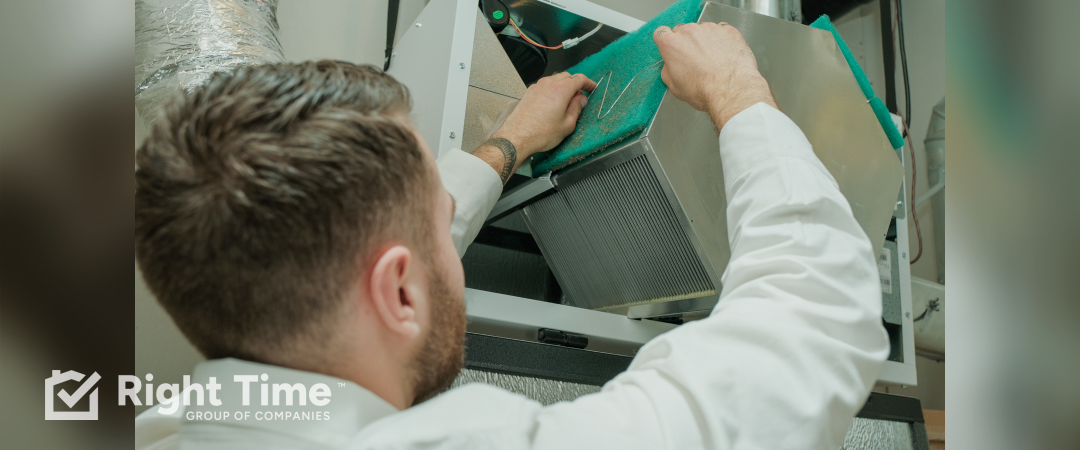
- Replace filters on schedule, and sooner if they load up quickly during peak pollen weeks
- Make sure the filter is installed correctly with no gaps around the frame
- Keep return-air grilles clear so the system can actually pull air through the filter
If you notice reduced airflow after upgrading a filter, it is a sign to step back and have a technician check the airflow and fit. Reduced airflow can worsen comfort and contribute to icing or short cycling during the cooling season.
What Maintenance Checks Can I Do Safely at Home to Improve Air Quality?
You can make meaningful improvements without tools, and these steps are safe for homeowners.
Homeowner-safe checks:
- Replace the HVAC filter and confirm it fits snugly
- Vacuum return-air grilles and keep them unobstructed
- Keep supply vents open (closing vents rarely helps air quality)
- Run bathroom fans during showers and for a period after
- Use the kitchen range hood when cooking, especially with frying or high heat
- Keep indoor humidity in a comfortable range (if the home feels persistently damp, that is a signal to investigate)
Do UV Air Purifiers Help With Allergies, or Are They Only for Germs?
A UV system can help in the right application, but it is not a one-step allergy fix. For allergy symptoms, filtration and source control are usually the biggest levers because allergens like pollen and dander are particles.
A UV air purifier can be useful when:
- You want an added layer for certain microorganisms in the air stream
- You are dealing with persistent musty smells where moisture may be part of the picture (pro inspection still matters)
- You want an integrated option as part of a broader indoor air quality plan
What UV does not replace:
- A properly selected HVAC filter
- Moisture control (drain issues, ventilation, or building envelope problems)
- Cleaning and housekeeping steps that reduce allergen buildup
If you see the term “UV-C air purifier,” it typically refers to UV-C technology used in some HVAC air purification systems.
What Should I Look For in a UV Air Purifier for Brampton Homes?
The “best” option depends on your goals and your HVAC configuration. The most reliable results come from choosing the right technology for your specific concern, then installing it correctly.
If you’re comparing options for the best UV air purifier Brampton homeowners can install, ask about:
- Whether the system is designed for HVAC integration (not just portable use)
- Whether it is described as ozone-free
- Where it’s installed and what it’s intended to treat (air stream vs targeted surfaces)
- What maintenance it needs and how often components must be replaced
This is where it’s helpful to talk with a technician about your symptoms, your home type, and any known moisture issues.
What Influences UV Air Purifier Cost in Brampton?
If you’re searching for the cost of a UV air purifier in Brampton, the price range can vary depending on the type of equipment, your HVAC layout, electrical access, and installation complexity.
Factors that can affect cost include:
- The model and capacity selected for your system
- Installation location and accessibility
- Whether additional electrical work is required
- Whether this is paired with filtration or other indoor air quality upgrades
A good quote should explain what’s included, what maintenance is expected, and what the upgrade is designed to improve.
When Does Air Duct Cleaning Make Sense for Allergy Season?
In Brampton, air duct cleaning can be useful in certain scenarios, but it is not a guaranteed solution for allergies. Duct cleaning is most worthwhile when there is evidence of heavy dust buildup in the duct system or when debris has been introduced.
Duct cleaning is more likely to make sense if:
- You recently completed renovations that created fine dust
- You can see dust or debris blowing from vents
- There was a pest issue in the ductwork
- There is a confirmed moisture event affecting the system (address the moisture source first)
- The home is older, and you suspect return-air leaks are pulling dust from unfinished spaces
If you are considering vent cleaning in Brampton, ask what is included (supply ducts, returns, trunk lines, registers, and furnace components) and how the contractor verifies results. The goal is targeted cleaning that matches a real issue, not a generic upsell.
What Usually Helps More Than Duct Cleaning for Allergies?
For most allergy-season complaints, the biggest gains often come from improving filtration consistency and reducing the amount of pollen and dust that enter your home in the first place.
High-impact steps:
- Consistent filter changes and correct fit
- Better housekeeping during peak pollen weeks (especially bedding and high-traffic floors)
- Ventilation habits that manage humidity and cooking/shower pollutants
- Addressing airflow issues so your filtration actually works as intended
If the home still feels persistently stuffy or humid, it’s time to have a technician check ventilation, airflow, and whether the system is sized and configured appropriately for the space.
When Should I Call a Technician Instead of Troubleshooting?
Book professional help if you notice:
- Persistent musty odours that do not improve after filter replacement and ventilation habits
- Visible moisture near HVAC components or repeated drain issues
- Weak airflow across multiple rooms
- Frequent short cycling in the cooling season
- Allergy symptoms that worsen indoors despite basic steps
This is also the right time to discuss an indoor air quality UV purifier option and whether a UV air purification system makes sense for your home.
What Is the Next Step to Get Cleaner Air During Allergy Season?
If you want a plan that actually matches your symptoms, start with a system check and an air-quality conversation: what you’re noticing, when it’s worst, and what you’ve already tried. From there, the right solution might be filter optimization, airflow fixes, humidity-related improvements, or a UV upgrade.
Book an HVAC service visit in Brampton with Peel to review filtration and airflow, and determine whether a UV air purifier or duct cleaning is the right fit for your allergy-season concerns.